The UK’s pelagic sector plays a crucial role in the nation’s seafood supply chain, Seafish CEO Colin Faulkner has said, at the first meeting of a new group.
Held at Fishmongers’ Hall in London, the first meeting of the Seafish Pelagic Sector Issues Group brought together representatives from across the seafood supply chain, including harvesting, processing, retailers, alongside government policy and science advisors, to discuss issues affecting the sector.
At the meeting, Colin highlighted the importance of the UK’s pelagic catching and processing sectors, recognising their contribution to the seafood industry and the importance of supporting their long-term sustainability.
"The pelagic sector makes a massive contribution to the UK seafood industry, supporting jobs, coastal communities and businesses across the supply chain. At Seafish, we are proud to celebrate it.
“Bringing people together from across the industry is a great opportunity to understand the challenges facing the sector, but also to recognise the progress being made and its commitment to sustainability and innovation and to leading the way internationally.
“At Seafish, we really value the contribution the sector makes and are 100% committed to playing our part in supporting its continued success and sustainability.”
The meeting, facilitated by Seafish, also featured presentations from Dr Steven Mackinson, Chief Scientific Officer of the Scottish Pelagic Fishermen’s Association (SPFA), and Ian Gatt, the Association’s Chief Executive.
Attendees welcomed the opportunity to discuss pelagic stock status, the successful industry-led approach to the introduction of Remote Electronic Monitoring and the ongoing development of the Catch to Batch Traceability Scheme.
A commitment was made to meet again in the new year to consider the outcome of the annual fisheries negotiations, as well as how best Seafish can support the sector.
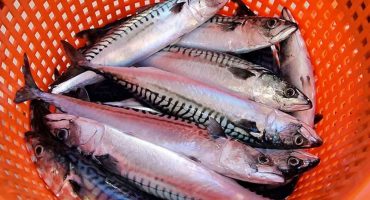
The meeting comes as the pelagic sector approaches the annual negotiations on catch limits, with recent advice from the International Council for the Exploration of the Sea (ICES) indicating an improvement in the perception of the health of the North-East Atlantic mackerel stock and an increase in recommended catch limits.
Commenting on the latest advice on mackerel, Colin welcomed the positive findings while emphasising the need for continued caution and responsible management to support the stock’s recovery.
He added: “Seafish welcomes this set of ICES advice which should give consumers more confidence to buy UK-caught mackerel.
“The advice represents an important and welcome step forward. However, it is important to strike a note of caution.
“While the improvement in stock health set out in the advice is very welcome, the stock size remains at a low level by historical standards.
“All Coastal States should use the breathing space offered by this more positive advice to make progress on the management of the stock through building on the initiatives which several Coastal States, including the UK, agreed in 2025.
“The UK has led the way on getting the management of the stock on to a stronger footing and, at Seafish, we recognise and welcome the fact that the UK pelagic sector has played a key part in that leadership through its long-term commitment to sustainability and innovation.”